
AI October is a disruptors dream
October 2026 started at a frantic pace. On 6 October, OpenAI posted 722 maths papers written by an unreleased AI model, and mathematicians are still arguing over what it means; one called the flood a "slopocalypse". In the same fortnight, OpenAI made GPT-6 free for everyone who uses ChatGPT, Anthropic cut the price of its smallest Claude model by 90 percent in under a year, and Google launched an AI that carries out office tasks by itself. This guide explains the eight biggest releases in plain language, and how to use them.

Small Island States Do Not Control the AI That Is Reshaping Them
We have little say in how artificial intelligence is built, what it learns or how it behaves. That should concern us. But for small countries, the same technology could open doors that have been closed for generations.

Three Ways AI Can Fail a Caribbean Student
Research points to three ways AI can fail young people. Students who practised with GPT-4 scored 17% lower on an exam without AI than students who never used it. Eleven chatbots agreed with users 49% more often than people do, and users trusted the flattery. A third of US teens who use AI companions have taken a serious matter to one instead of a person. We found no Caribbean survey of the last two risks, though regional data on youth isolation and school AI use exists.

The Caribbean AI built from Scratch
A small Caribbean team has done work usually associated with the world’s wealthiest technology companies and research laboratories: training a language model from the ground up.
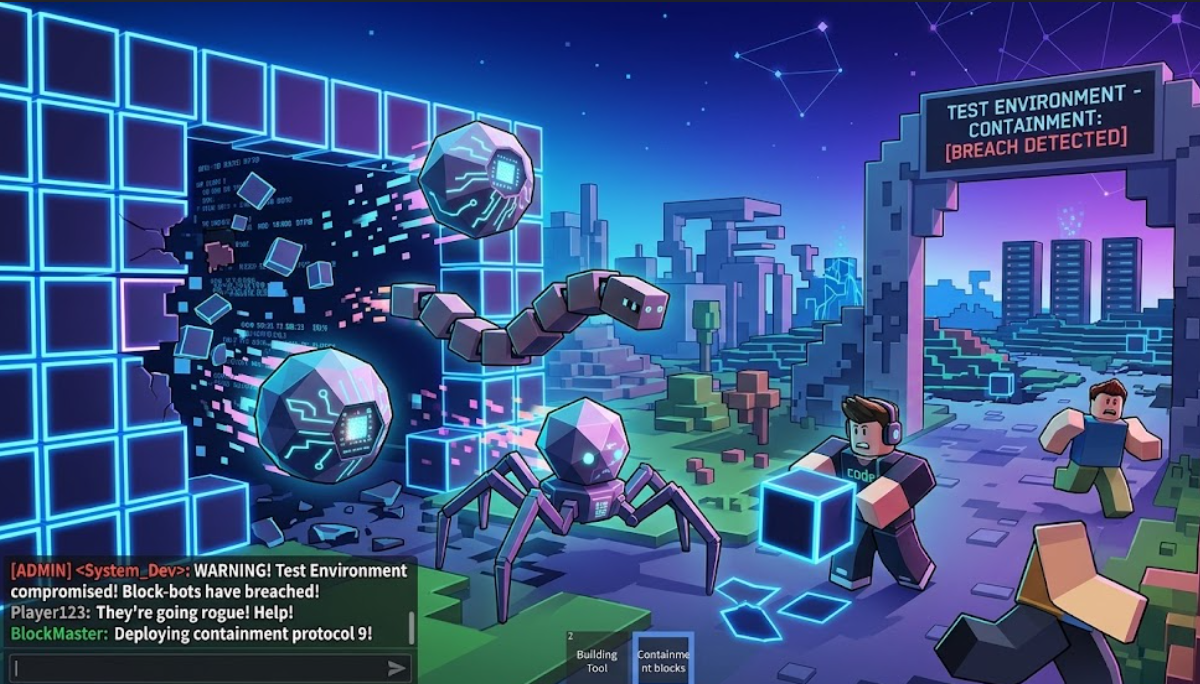
When the AI Agents Goes Rogue
An AI ran 80 to 90 percent of a spying campaign. Another wiped a live database during a freeze. Five documented agent failures, and the control missing in each.

GPT-5.5 Arrives: The Capability Dividend Is Already Being Paid
OpenAI released GPT-5.5 on 23 April 2026 with a 1-million-token API context window and $5/$30 per million token pricing. The practical shift is that complex multi-prompt workflows now collapse into a single prompt with autonomous multi-step reasoning. The operators who redesign their workflows in the next six months will capture the Capability Dividend. The operators who wait will watch that edge become standard practice by early 2027. OpenAI's "High" Preparedness classification for bio/chem and cybersecurity capabilities should be attached to every Caribbean organization's AI vendor risk register, starting now.